

How Do Anti-Drone Systems Work? Detection, Tracking and Neutralization
Category
TechnologyAuthor
Akbayrak Savunma Engineering TeamPublished
October 5, 2026Reading Time
8 min read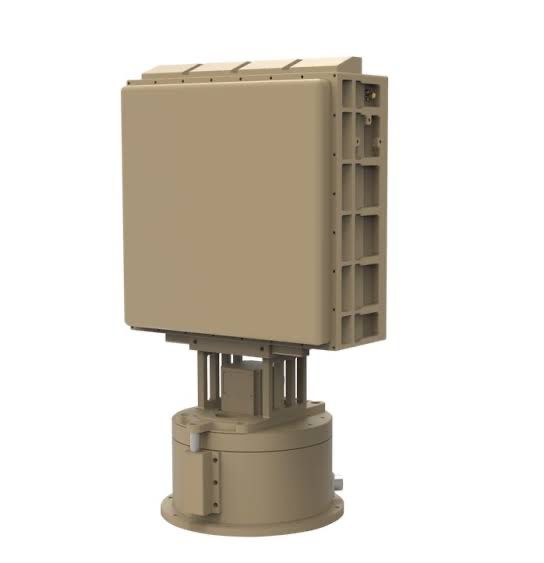
Introduction
The proliferation of small, commercially available unmanned aerial vehicles (UAVs) has introduced a new security dimension across many settings, from critical facilities to border lines. Because a low-cost drone can be used for reconnaissance, image capture, electronic eavesdropping and even payload delivery, dedicated solutions are needed against threats that fall below the radar cross-section and altitude thresholds of traditional air defense systems. This is precisely the gap that anti-drone (counter-drone) systems are designed to close. In this article, we take a step-by-step look at the process an anti-drone system follows from detecting a threat to neutralizing it, the sensors and effector methods it employs, and how it is deployed across different operational scenarios.
How Do Anti-Drone Systems Detect Threats?
The first task of an effective anti-drone system is to recognize the threat at the earliest possible stage. Because small drones can move slowly, fly low and be confused with non-genuine targets such as birds, relying on a single sensor is usually not sufficient. Modern systems therefore combine different, complementary detection technologies to improve both range and accuracy.
Detection by Radar
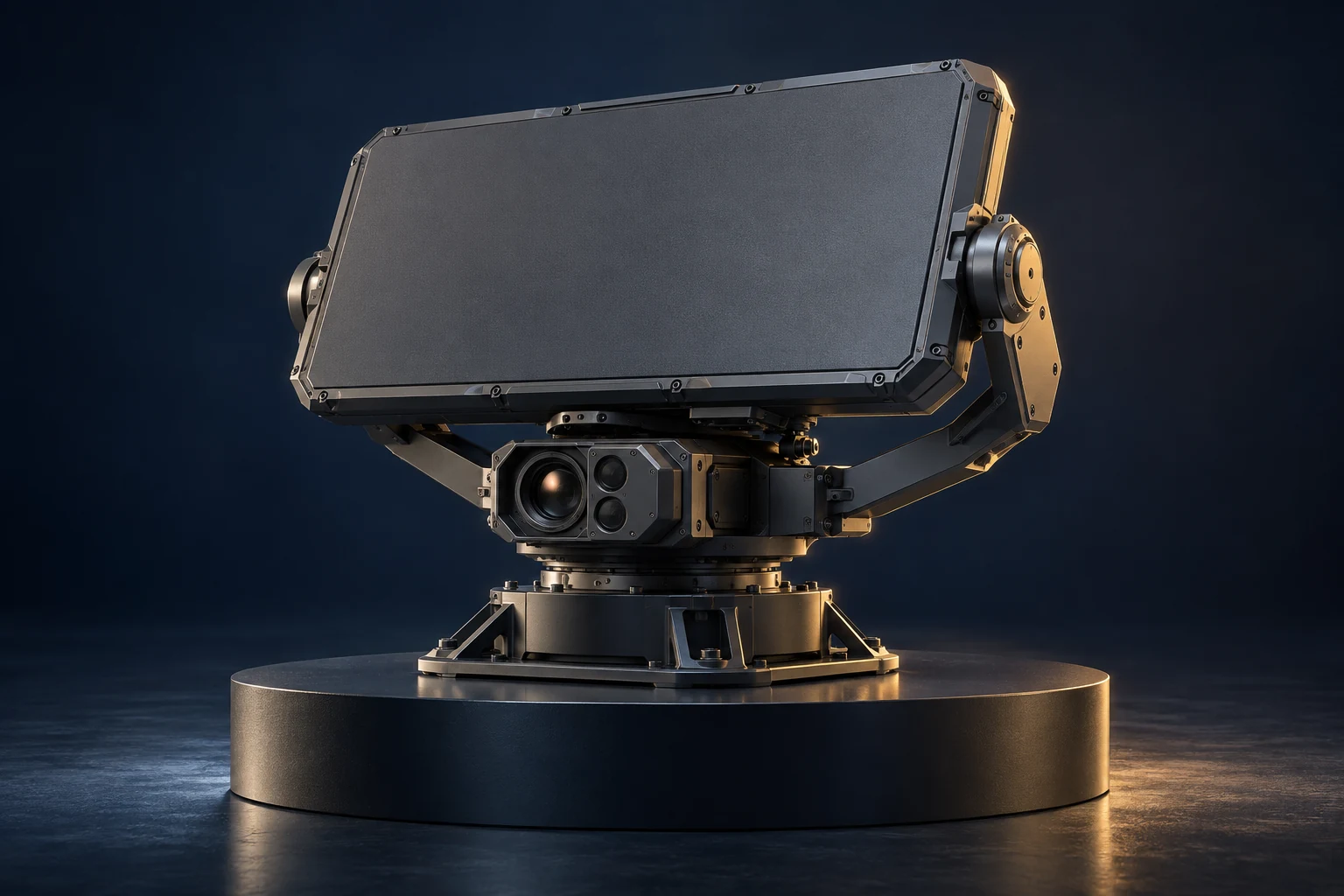
Radar analyzes the radio waves reflected from a target to produce position, range and speed data. In anti-drone applications, short- and medium-range radars equipped with specialized algorithms that can distinguish targets with a small radar cross-section and low speed are preferred. Radar's greatest advantage is its ability to continuously scan a large volume even where the line of sight is limited or under nighttime conditions.
RF (Radio Frequency) Monitoring and Direction Finding
The majority of drones communicate with their operator and satellite positioning systems over radio frequency. RF sensors passively listen to these communication signals to determine the bearing of both the drone and, in most cases, the ground controller. Because they operate passively, they do not emit any transmission; this allows the system to classify the threat at an early stage without giving away its own position.
Electro-Optical and Infrared (EO/IR) Imaging
Visually confirming whether a contact detected by radar or RF is genuinely a drone is critically important. Electro-optical (daytime) and infrared (night/thermal) cameras zoom in on the target to show the operator its type, any payload it may be carrying and its behavior. This visual confirmation prevents false alarms and improves the accuracy of the engagement decision.
Acoustic Detection
The characteristic sound signatures produced by a drone's motors and propellers can be captured by acoustic sensor arrays. Although its range is shorter than that of other methods, acoustic detection serves as a valuable complementary layer in detecting drones that do not emit RF (flying autonomously), and is particularly beneficial in urban or complex terrain.
Tracking, Identification and Neutralization
For a detected contact to carry security significance, it must be continuously tracked, distinguished as friend or foe, and ultimately neutralized by the appropriate method. Each link in this chain depends on the accuracy of the data coming from the previous stage.
Continuous Tracking and Sensor Fusion
When data from different sensors is merged onto a single air picture (sensor fusion), the target's position and route are tracked with far greater reliability. This integrated approach allows the other sensors to step in when a single sensor falls short; the target is thus tracked without interruption from the moment of detection through engagement, and the threat's intent (surveillance, payload drop, kamikaze) is assessed more accurately.
Soft-Kill: Signal Jamming and Takeover
Soft-kill methods aim to render the drone unable to perform its mission without physically destroying it. The most common approach is directional jammers that disrupt the drone's command and positioning signals. Drones whose signal is cut typically hover in place, automatically return to their launch point or land in a controlled manner. In more advanced systems, protocol-based takeover (spoofing/takeover) may make it possible to steer the drone and land it in a safe area. Soft-kill is preferred in residential or on-site scenarios where environmental risk must be kept low.
Hard-Kill: Physical Measures
In cases where signal jamming proves insufficient or the threat is unacceptably high, hard-kill methods aimed at physically stopping the drone come into play. This category includes net-capture systems, directed-energy solutions and, within appropriate rules of engagement, kinetic options. The hard-kill decision is made after careful evaluation of factors such as environmental safety, debris risk and legal authority, and is generally applied in controlled areas such as borders, military bases or open terrain.
Layered Defense, Fixed and Mobile Platforms
No single sensor or single effector method can respond on its own to the full diversity of the drone threat. For this reason, anti-drone solutions are designed on a layered-defense logic that combines multiple detection and engagement layers under a single command-and-control software. Whether the platform will be fixed or mobile is determined by the nature of the asset to be protected.
Fixed Installations
At critical assets with a fixed location such as an airport, power plant, data center or military base, the sensors and effector units are permanently positioned around the perimeter. Fixed installations offer continuous power supply, a wide detection volume and high readiness, providing 24/7 protection and operating in an integrated manner with the facility's existing security infrastructure.
Mobile Platforms
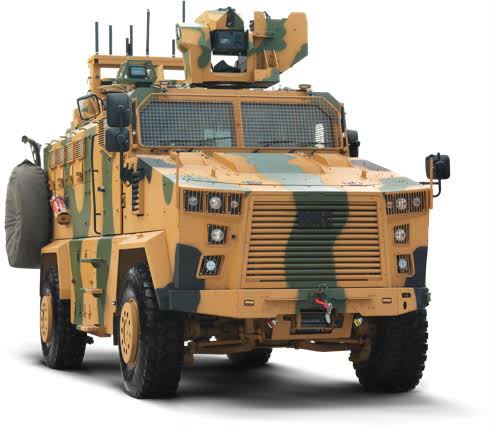
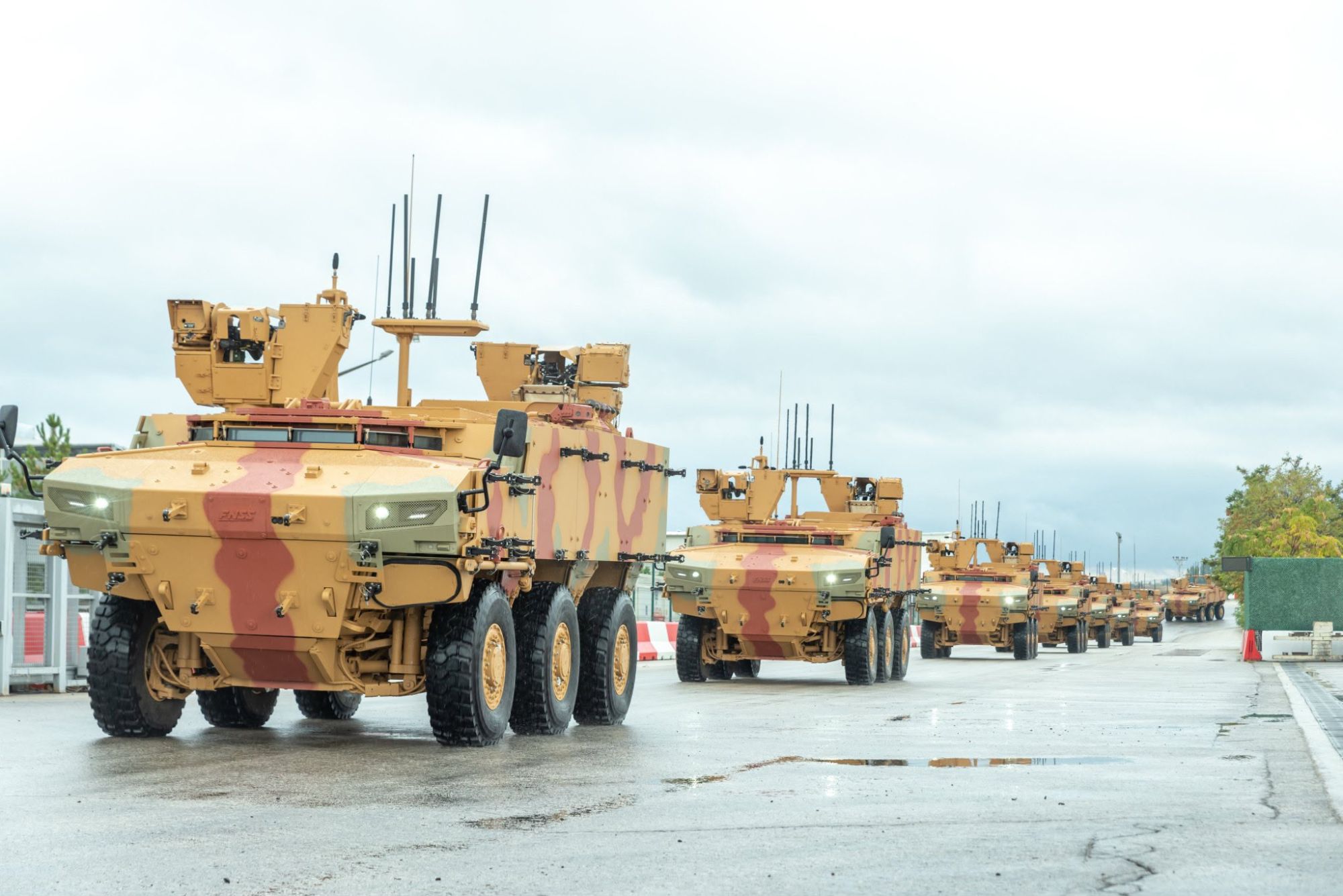
Where the asset to be protected is on the move or the protection requirement is temporary, the sensor and effector systems are integrated onto a vehicle or into portable units. Mobile platforms provide the flexibility of rapid deployment, repositioning according to the mission area and moving together with convoys.
Use Cases
Anti-drone systems are deployed in different configurations depending on the type of asset being protected and the operational environment. Below, we summarize the three most frequently encountered scenarios.
Critical Facility and Base Security
Airports, ports, energy and communications infrastructure and military bases are the areas where unauthorized drone flights pose the highest risk. In this scenario, a fixed, multi-sensor architecture that continuously monitors a large volume is preferred; for engagement, soft-kill methods that prioritize environmental safety come to the fore.
Border Security
Along wide, open border lines, long-range radar and RF sensors are used to detect border violations aimed at smuggling or reconnaissance. Controlled terrain conditions allow for a more flexible engagement framework in which hard-kill options can also be considered when necessary.
Convoy and Troop Protection
For vehicle convoys and troops on the move, mobile anti-drone platforms provide continuous protection along the route. The systems advance together with the vehicles, adapt to the dynamic threat environment and offer early warning and engagement capability particularly against kamikaze-style threats approaching from low altitude.
Conclusion
Anti-drone systems are not a single device but a layered defense architecture that combines radar, RF, EO/IR and acoustic detection through sensor fusion, then engages with soft-kill or hard-kill methods as the situation requires. The key to effectiveness is combining early detection and accurate identification with the right engagement method. At Akbayrak Savunma, we develop anti-drone solutions that can be scaled to the nature of the asset to be protected and the operational environment; by integrating fixed and mobile platforms under the same command-and-control philosophy, we aim to deliver a sustainable protection capability against drone threats.
Frequently Asked Questions
Let's Discuss Your Project
Your email address will not be published. Required fields are marked with *.