

Interceptor UAVs: A Next-Generation Approach to Air Defense
Category
TechnologyAuthor
Akbayrak Savunma Engineering TeamPublication Date
October 5, 2026Reading Time
8 min read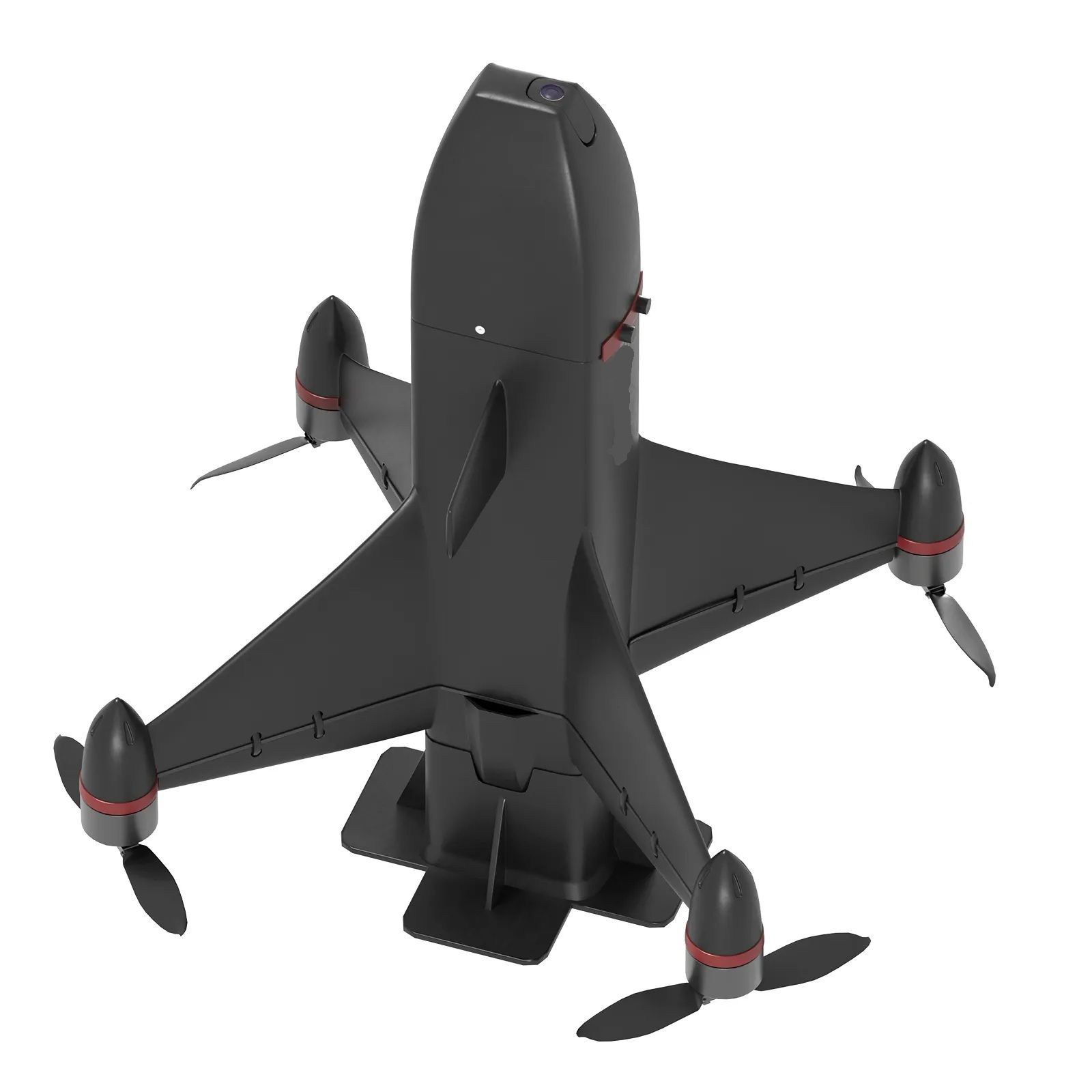
Introduction
The nature of threats to airspace has changed rapidly in recent years. Low-cost unmanned aerial vehicles, loitering munitions and small platforms operating in swarms are challenging traditional air defense architectures in terms of both cost and reaction speed. This is exactly where interceptor UAVs offer a next-generation approach that stands out for closing the short-range, low-altitude layer that remains a gap in layered air defense. In this article, we take an engineering perspective on what interceptor UAVs are, how the engagement chain works and how these platforms are integrated into existing systems.
What Is an Interceptor UAV and How Does It Complement Traditional Defense?
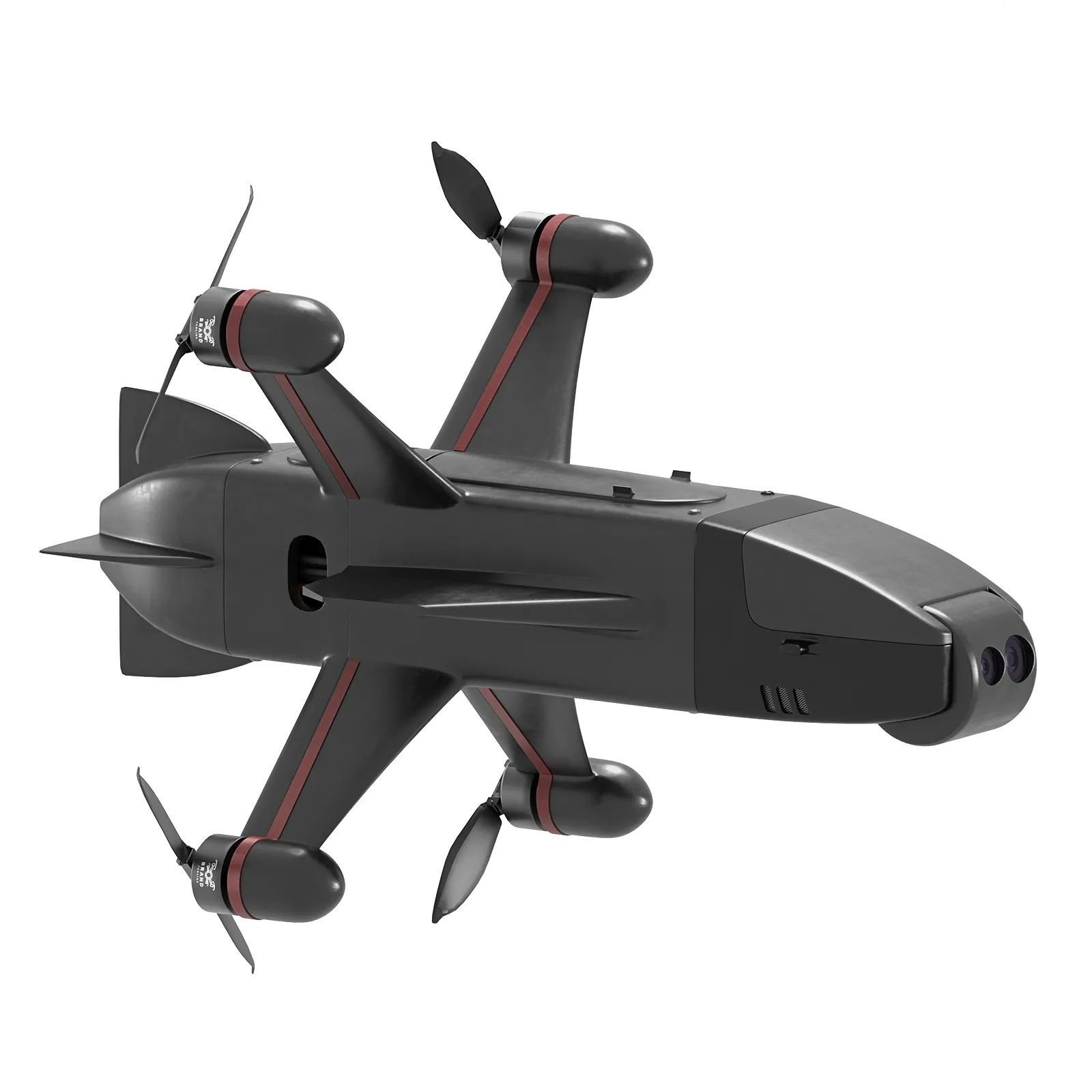
An interceptor UAV is a highly maneuverable unmanned aerial platform designed to detect and track an airborne target and then neutralize it through physical contact or a close-proximity effect. Unlike missile-based systems, its relatively low-cost and rapidly deployable design aims to deliver an economical response, particularly against small and slow-moving air threats.
The Interceptor UAV Concept
At the heart of the interceptor UAV approach lies the idea of an agile platform capable of engaging a threat at its own altitude and speed. Thanks to electric propulsion systems, a high thrust-to-weight ratio and advanced flight control algorithms, these platforms can reach the target quickly within a narrow engagement window and perform aggressive maneuvers in the final phase. This prevents expensive, strategically important interceptors from being expended on low-value targets.
Its Complementary Role to Traditional Air Defense
Interceptor UAVs do not replace existing air defense systems; they are positioned as their complement. While long-range radar and missile systems focus on high-value, high-speed threats, interceptor UAVs take on the layer formed by targets with low altitude, low speed and a small radar cross-section. This division of labor ensures that the right asset is used at the right cost in every layer of defense, increasing overall defense efficiency.
The Engagement Chain: Detect, Track, Launch and Intercept
The effectiveness of an interceptor UAV depends less on the capability of a single platform than on the seamless operation of the engagement chain behind it. This process, extending from the initial detection of the threat to the final interception, requires sensors, command-and-control software and the platform to work in a coordinated manner. Every link in the chain must pass reliable and timely data to the next.
Detection and Early Warning
Engagement begins with detecting the threat as early as possible. Radar, electro-optical sensors and acoustic or radio-frequency monitoring systems scan for small, low-altitude targets to generate early warning. The aim at this stage is to give the decision-maker sufficient reaction time and to feed the target's position and track information into the system.
Tracking and Target Discrimination
The detected contact is kept under continuous tracking so that its speed, altitude and maneuver profile can be determined. Sensor fusion is critical at this stage; data from multiple sources is combined to discriminate whether the target is a genuine threat or a friendly platform or civilian element. Accurate discrimination prevents both unnecessary engagements and unintended effects.
Launch and Guidance
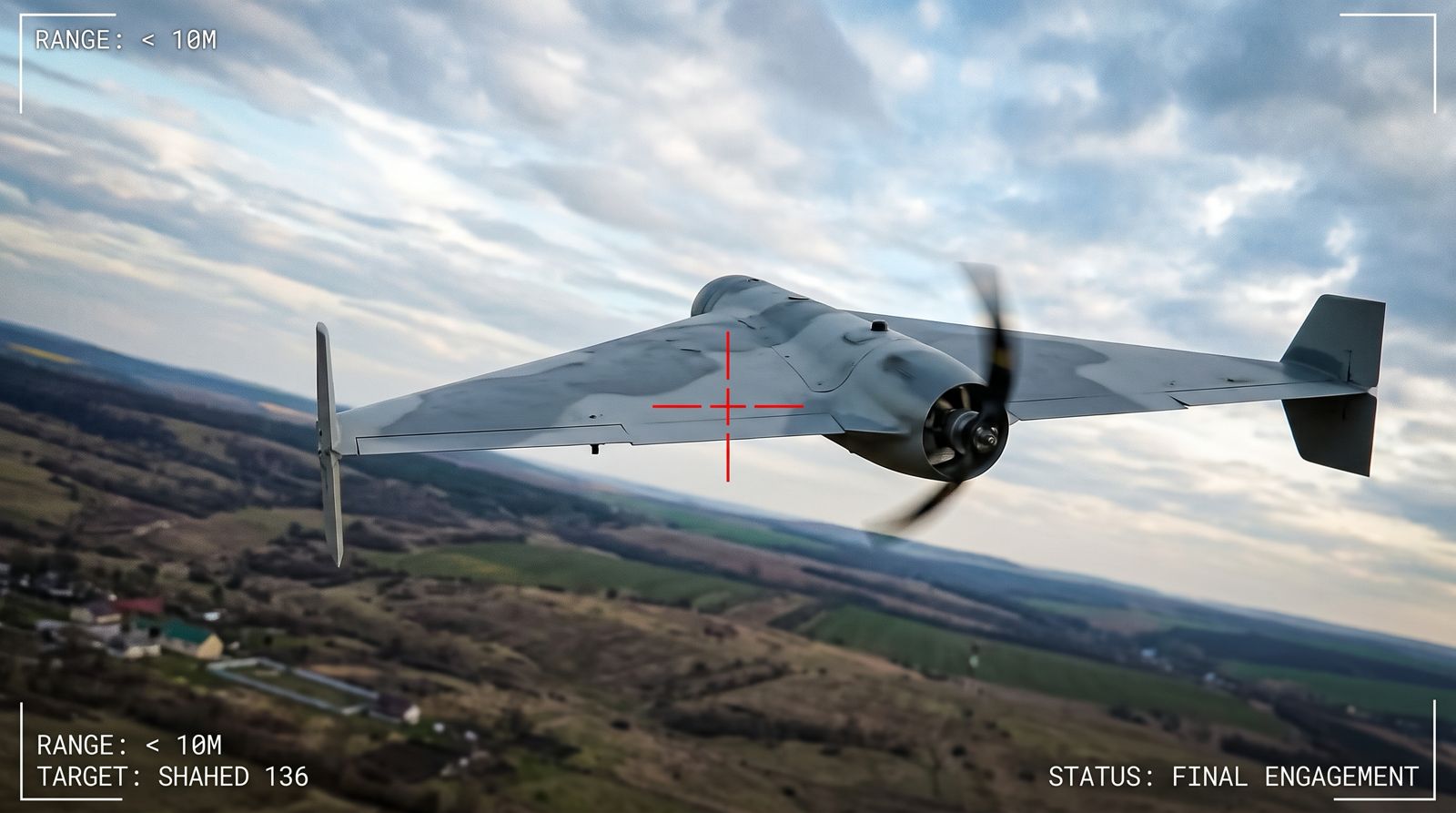
Once the target is confirmed, the interceptor UAV is launched rapidly or a platform on standby is directed to the mission. The command-and-control system calculates the optimal intercept trajectory based on the target's current position and sets the platform onto that course. Throughout this process, target data continuously updated over the data link enables the interceptor to enter its final approach in the most efficient way.
Interception and Effect Assessment
In the final phase, the interceptor UAV converges on the target and carries out the interception. After the interception, data from the sensors is used to assess whether the effect was achieved successfully. In the event of a failed engagement, the chain is re-engaged; a backup platform can be directed to the mission or upper-layer defense assets can be alerted. This closed loop provides a sustainable defense capability rather than a single attempt.
Operational Advantages, Mission Profiles and Integration
What makes interceptor UAVs attractive is not only their technical capabilities but also their potential to tip the operational and economic equation in favor of the defending side. In this section, we examine the main advantages the platform provides, its typical mission profiles and its integration into the layered architecture.
Cost per Engagement and Reusability
One of the most significant problems of modern air defense is the need to respond to a threat worth a few hundred dollars with an interceptor worth millions. Interceptor UAVs substantially reduce this cost imbalance. In addition to lowering the cost per engagement, in some concepts the platform can be recovered after interception or designed with a modular, re-taskable structure, further strengthening the long-term cost advantage.
Rapid Response and Typical Mission Profiles
Interceptor UAVs can be used across a variety of mission profiles, such as fixed-site protection, critical infrastructure defense, overhead cover for temporarily deployed units and mobile convoy protection. When deployed under a ready-alert concept, they can take off within seconds of a threat being detected and make the most of the short engagement window. This rapid-response capability becomes decisive, especially against sudden, low-altitude threats.
Integration into Layered Air Defense
The value of interceptor UAVs emerges not as a stand-alone solution but as part of a layered air defense architecture. Connected to a common command-and-control infrastructure and a common air picture, interceptor fleets operate in coordination with long-range systems and anti-drone solutions. This integration makes it possible to allocate resources dynamically according to threat intensity and for each layer to support the others.
Conclusion
Interceptor UAVs offer an engineering-based, economical and scalable response to the changing air threat profile. With a well-designed engagement chain and robust command-and-control integration, these platforms are becoming an indispensable component of layered air defense. At Akbayrak Savunma, we closely follow developments in interceptor and anti-drone technologies and develop our engineering solutions in alignment with these next-generation approaches.
Frequently Asked Questions
Let's Discuss Your Project
Your email address will not be published. Required fields are marked with *.