

Drone Swarm Threats and Modern Defense Approaches
Category
TechnologyAuthor
Akbayrak Savunma Engineering TeamPublication Date
October 5, 2026Reading Time
9 min read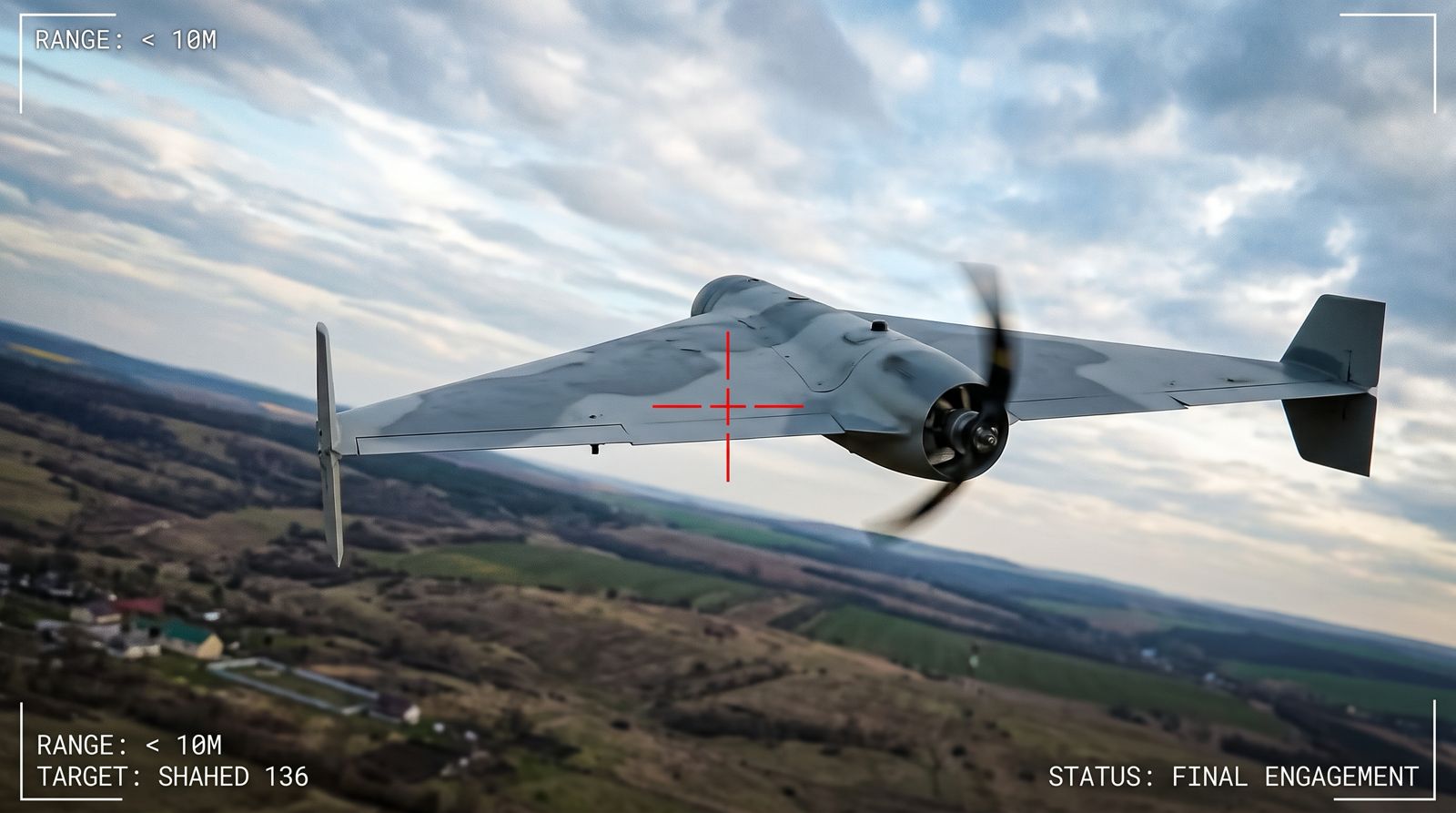
Introduction
The rapid proliferation of small, inexpensive unmanned aerial vehicles in recent years has fundamentally changed the equation of air defense. The threat no longer comes solely from a single high-value platform; it now arises from "drone swarm" scenarios in which dozens, even hundreds, of low-cost vehicles operate simultaneously and in coordination. In this article, we examine why the swarm threat strains traditional single-target defenses, the fundamental difficulties in the detection and identification stages, and the engineering rationale behind multi-layered counter-swarm architectures.
The Rise of the Drone Swarm Threat and the Limits of Single-Target Defense
The distinguishing feature of the swarm concept is not the number of vehicles but their mode of behavior. A swarm relies not on a single command issued from a central point, but on mission objectives shared among the vehicles and on local decision-making mechanisms. This turns the threat into a whole that is far more complex and resilient than the sum of its individual platforms.
The Operational Logic of Coordinated Swarms
In swarm operations, the vehicles share the mission among themselves: while some carry out reconnaissance and target detection, others execute simultaneous approaches from different directions. This distributed structure makes it impossible for the defense to neutralize the entire threat by disabling a single "leader" vehicle. Even if some of the vehicles are brought down, the mission can continue, reshaping itself through the remaining platforms. A swarm must therefore be regarded as a self-reorganizing system that, in the classical sense, has no single critical point of failure.
Why Do Single-Target Defenses Fall Short?
Traditional air defense systems are designed to neutralize a relatively small number of high-value targets using costly interceptors. In a swarm scenario, however, the cost balance turns against the defender: using expensive missiles against dozens of vehicles that each cost only a few thousand dollars is not sustainable. Moreover, a single-channel shooter system reaches saturation when it attempts to process many simultaneously approaching targets one by one, and misses the engagement window. For this reason, the swarm threat requires not a single-point effect but a simultaneous, scalable and cost-balanced response.
Detection, Identification and Layered Counter-Swarm Approaches
The first requirement of an effective defense is to detect the threat sufficiently early and reliably. However, small UAVs severely strain the detection layer because of both their physical size and their flight profiles. Once these difficulties are overcome, a layered architecture comes into play, one that arranges different effect mechanisms so that they complement one another.
Detection and Identification Challenges
The radar cross-section of small UAVs is very low; these tracks, which can be confused with birds and similar natural targets, are difficult to distinguish at low altitude and amid ground clutter. Low-speed, low-altitude flight strains the moving-target filters of conventional radars. The swarm's generation of many tracks at once multiplies the tracking and prioritization burden. For this reason, detection must be distributed not only to radar but also to electro-optical/infrared cameras, acoustic listeners and radio-frequency (RF) sensors, and the data from the different sensors must be evaluated together.
RF Detection and Jamming
Electronic warfare is the lowest-cost and most broadly effective layer of swarm defense. RF sensors can detect the threat before it even enters visual range by listening in on the vehicles' command-and-control and video links. Jamming, in turn, aims to disrupt the vehicles' mission by corrupting these links and satellite navigation signals. That said, pre-programmed autonomous swarms that can continue their mission even if the link is lost are resistant to jamming. This makes electronic warfare insufficient on its own, yet an indispensable first step in a layered architecture.
High-Power Microwave (HPM) Concepts
High-power microwave concepts are especially compelling in a swarm scenario because of their potential to affect not a single target but multiple vehicles within a given angular sector at the same time. A directed-energy pulse aims to render the vehicles' electronics inoperable and has a low cost per shot. On the other hand, factors such as range, energy budget, platform integration and the protection of friendly assets and surrounding electronics make this a demanding engineering problem. HPM is regarded as an "area-effect" layer against a swarm.
Interceptor UAVs
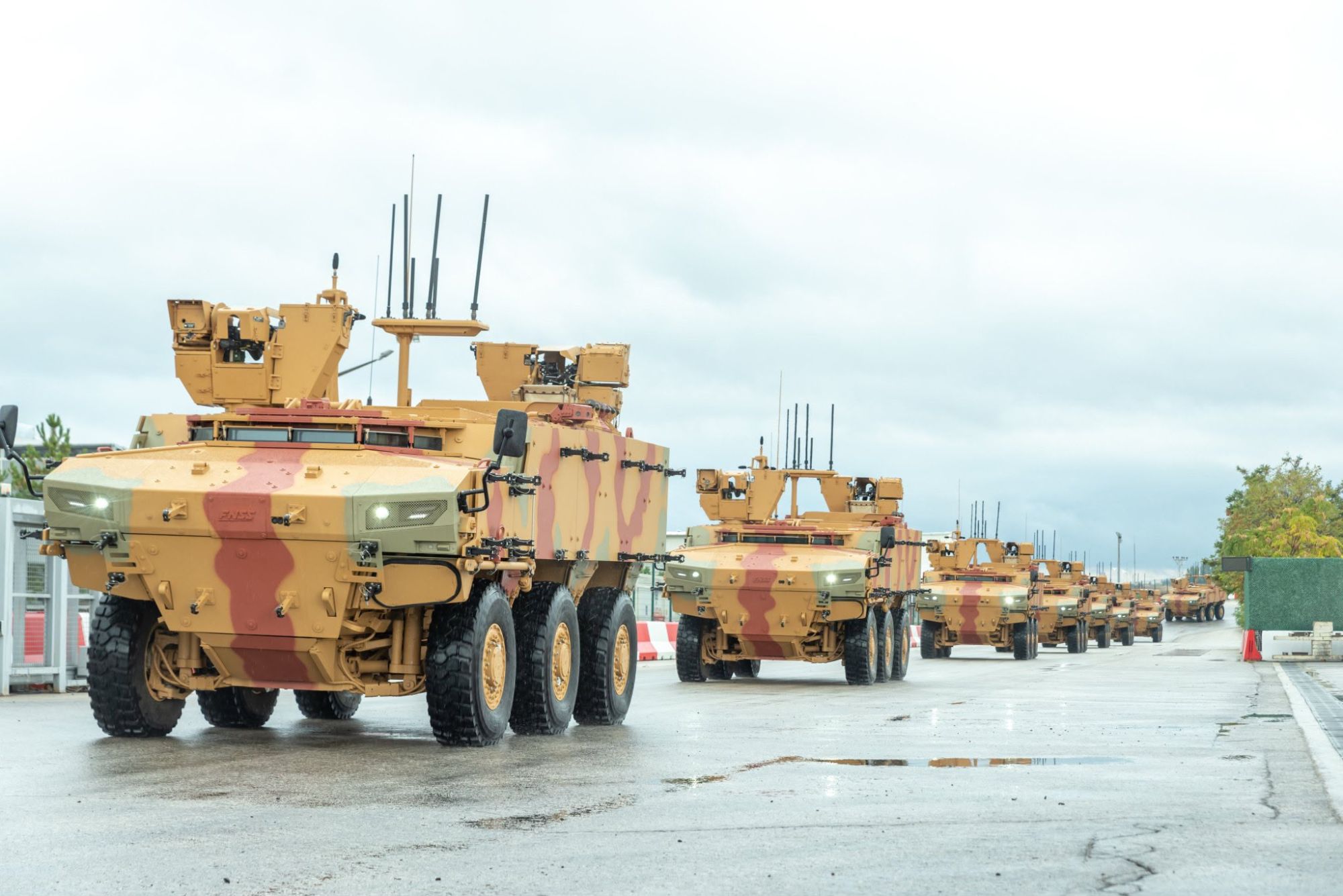
Interceptor UAVs offer a cost-balanced hard-kill option against targets that are resistant to jamming and must be neutralized physically. Reusable or low-cost expendable platforms track the target with high maneuverability and disable it through impact or a close-proximity effect. The real value against a swarm emerges when these interceptors can themselves be tasked in a coordinated manner, sharing multiple targets; in other words, the defending side must also build its own swarm logic.
Sensor Fusion and Command-and-Control (C2) Integration
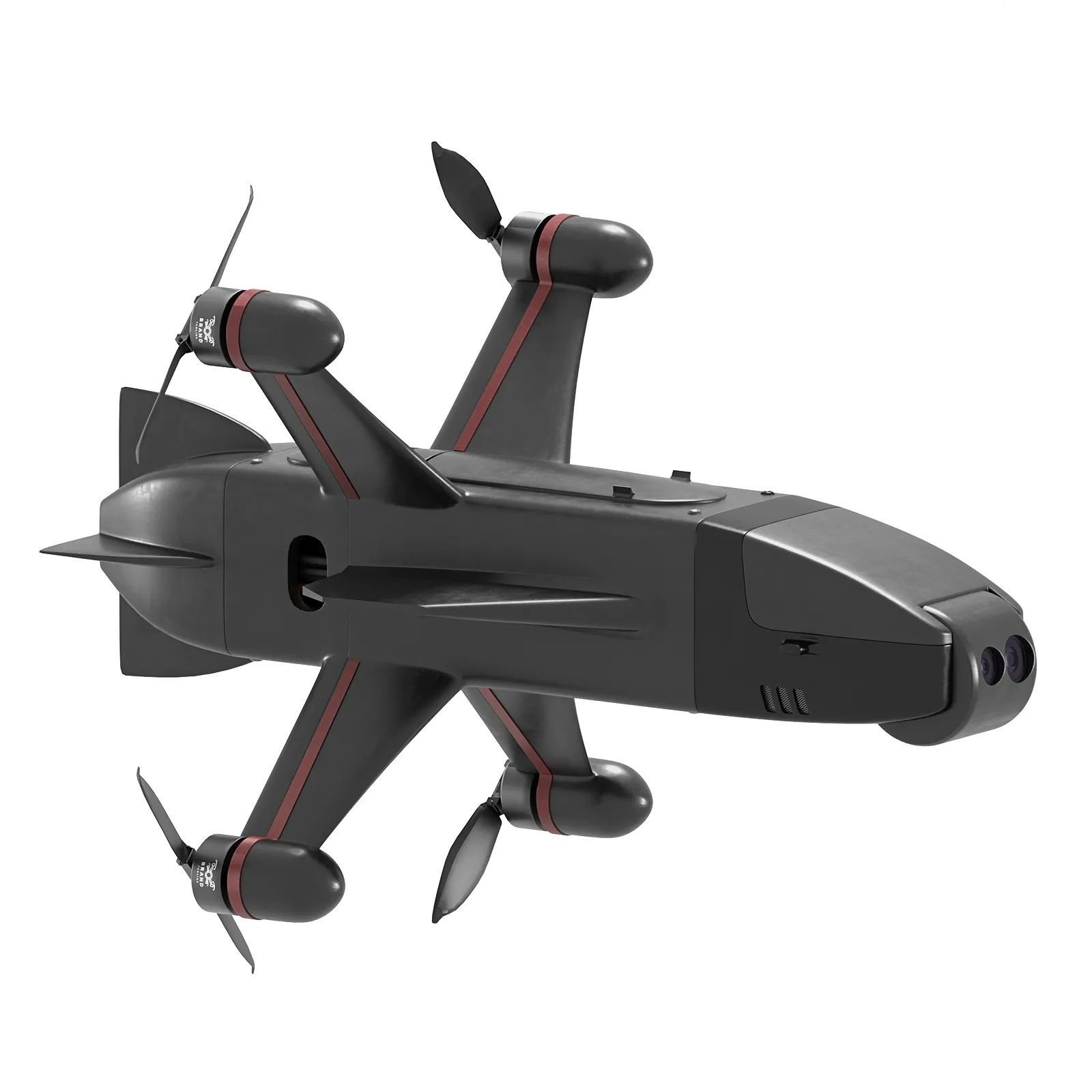
The effectiveness of a layered defense depends on how quickly and consistently the sensors and effectors converge into a common picture. Sensor fusion merges the tracks coming from radar, electro-optical, acoustic and RF sources, eliminating false alarms and producing a reliable trajectory for each target. The command-and-control (C2) layer then evaluates this picture and decides which effector is allocated to which threat and according to what priority. The swarm's saturation logic can be answered only through automatic prioritization, task allocation and human-supervised rapid decision loops. For this reason, in modern counter-swarm architectures the real competition lies not in individual weapon systems but in the speed of data processing and decision-making.
Engineering Takeaways and Conclusion
The drone swarm threat imposes a transformation that moves defense away from any single "magic solution" and turns it into a system of systems. Success depends on the joint operation of early, multi-source detection, a cost-balanced mix of effectors, a physical interception option for jamming-resistant scenarios, and an open, modular command-and-control infrastructure that manages all of these together. From an engineering standpoint, the priorities are interoperability, low-latency data processing, scalable engagement capacity and the correct design of each layer's cost-effect balance. At Akbayrak Savunma, we develop our interceptor UAV, anti-drone and electronic warfare solutions to support a layered and integrated counter-swarm approach that goes beyond the performance of any single platform.
Frequently Asked Questions
Let's Discuss Your Project
Your email address will not be published. Required fields are marked with *.